 Products


| Quantity: | |
|---|---|


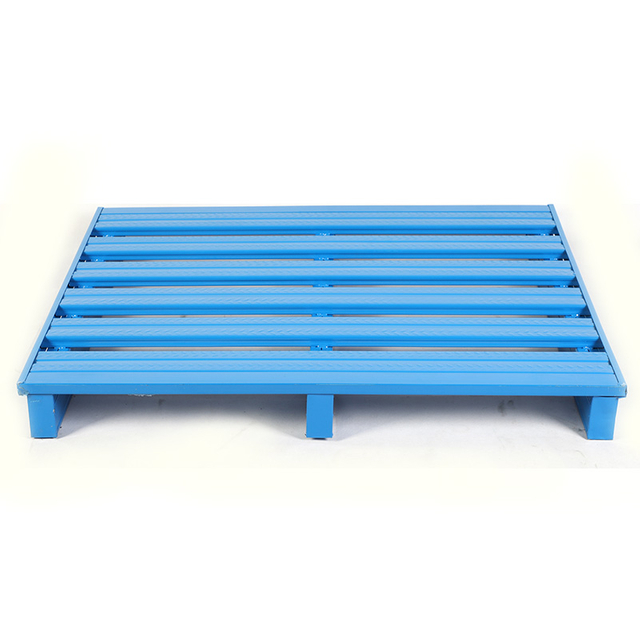
Steel pallets, also known as iron pallets and metal storage platforms, are one of the most important storage and transportation auxiliary equipment in modern industry. The main material is galvanized steel plate and structural steel, which are formed by special equipment, supported by various profiles, connected and strengthened by rivets, and then welded under C02 gas protection. This creates an exceptionally long service life. They are widely used for ground storage, shelf storage, cargo intermodal transportation, turnover, and other ultra-light metal tray series applications, offering a tangible sense of security when handling high-value goods.
The Bidirectional Half-Laid Tray is specifically designed for efficient forklift operations, facilitating highly convenient cargo storage and retrieval. Belonging to a series of lightweight metal pallets, these units are primarily utilized for versatile floor storage, heavy-duty rack storage, intermodal transport, and rapid cargo turnover. They serve as reliable horizontal platform devices—acting as standardized unit loads—for the purposes of containment, secure stacking, handling, and transportation. Consequently, they constitute one of the most critical auxiliary tools for modern industrial warehousing and logistics. Constructed primarily from industrial-grade steel or galvanized steel sheets, these pallets are precision-formed using specialized manufacturing equipment. Various structural profiles provide mutual support, reinforced by tight rivet connections and subsequently joined via advanced CO2 gas-shielded welding, ensuring a cold, solid metallic finish that resists extreme wear.
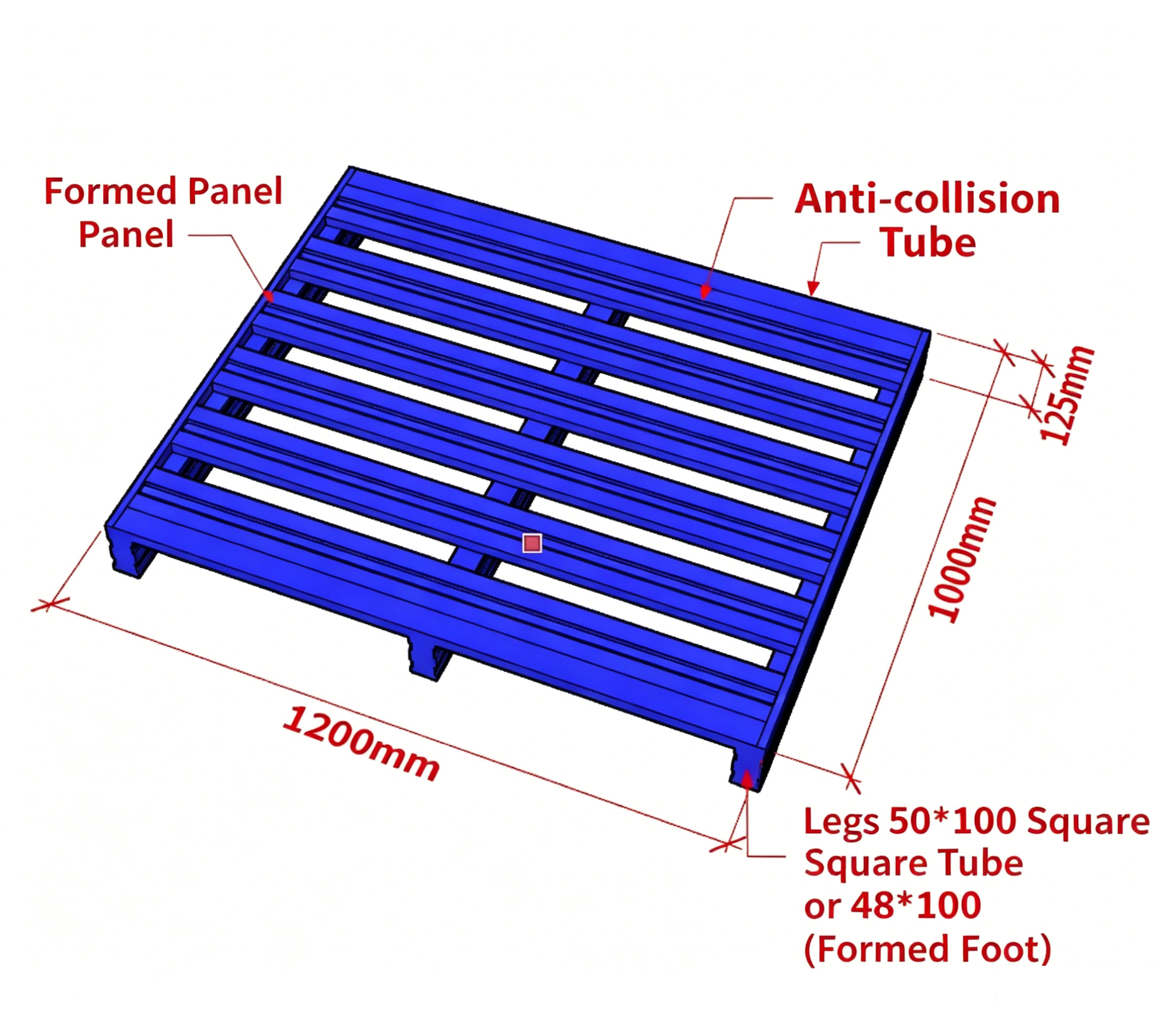
A steel pallet functions as a unitized container tool for the mechanized loading, unloading, handling, and stacking of goods. Its basic structure consists of a single-layer deck supported underneath by longitudinal beams, blocks, or legs. The minimum clearance height of the pallet is precisely calculated by the requirement to facilitate easy, unobstructed access for manual pallet jacks or motorized forklifts.
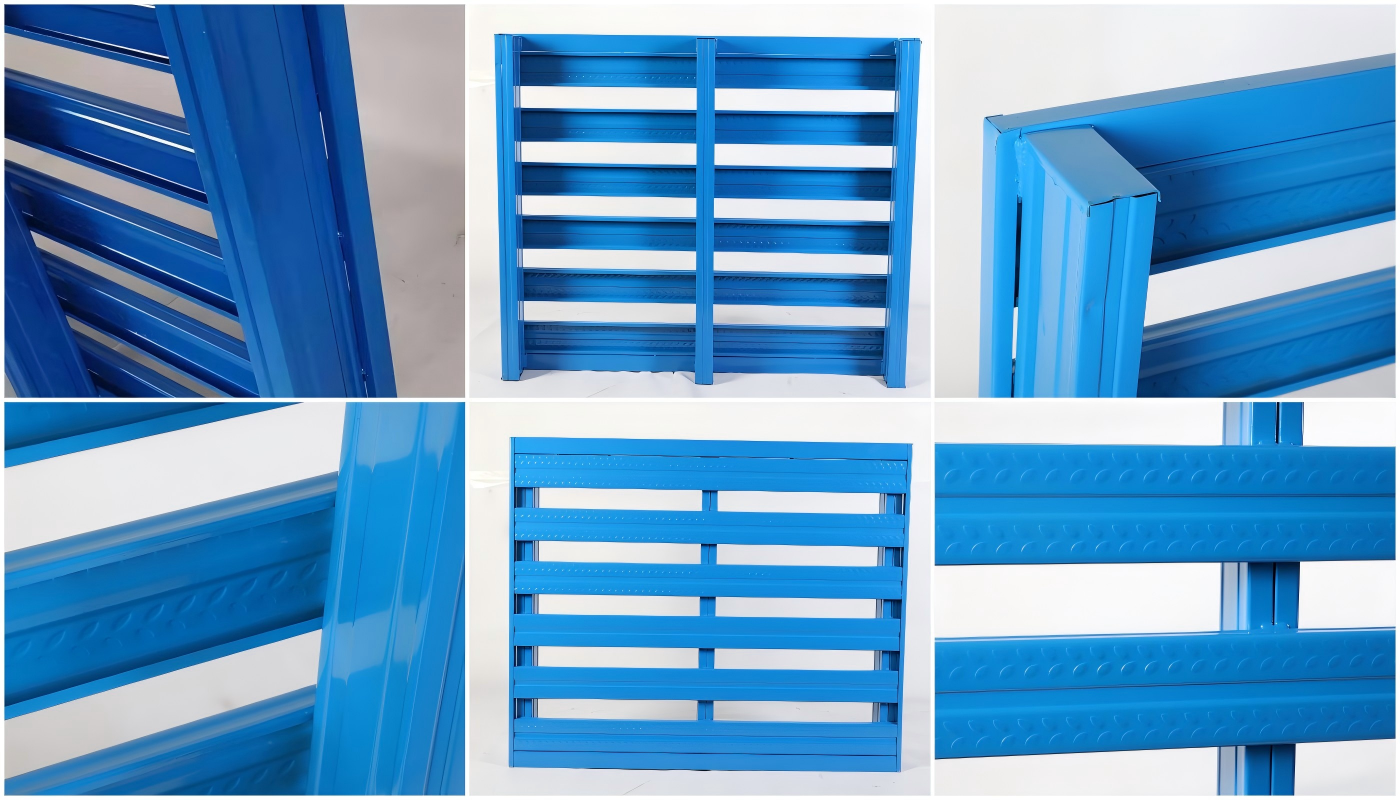
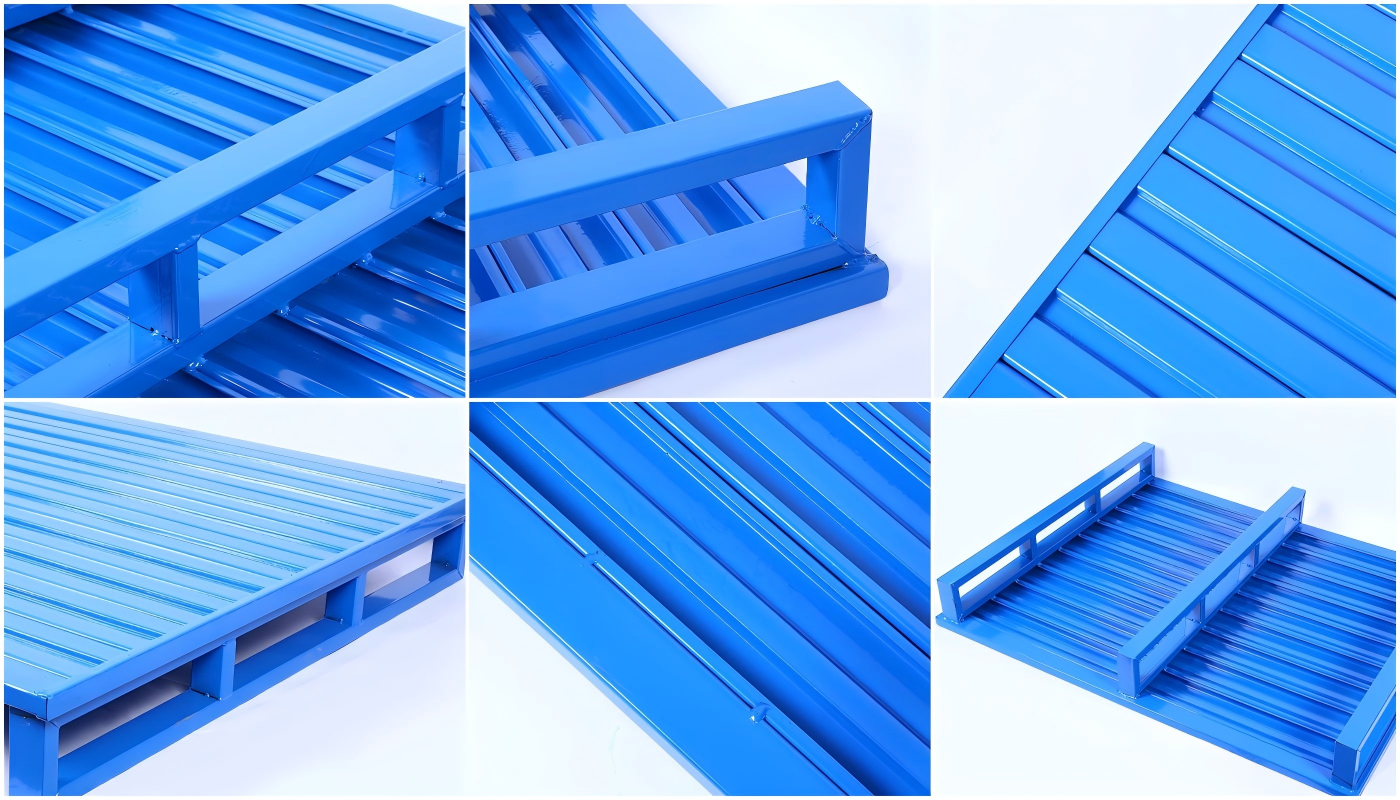
1. The carrying capacity is the strongest among all pallet categories. Its high-rigidity chassis design guarantees extreme stability, even when subjected to heavy-duty stacking and intensive rack storage.
2. Steel pallets are 100% environmentally friendly and can be recycled continuously without wasting natural resources, ensuring a sustainable lifecycle for industrial facilities.
3. The surface of the steel tray shall be treated with a smooth, anti-slip finish and the periphery shall be securely wrapped with safety edge banding. The tray chassis is solid, remarkably light in weight, and strong in structural rigidity, delivering stable packaging performance while actively protecting operators from sharp edges.
4. Waterproof, moisture-proof, and rustproof steel tray; Compared with wooden pallets, it has significant environmental advantages (eliminating the capacity of wooden pallets to breed pests or harbor moisture); Compared with plastic pallets, it provides overwhelming strength, wear resistance, extreme temperature tolerance, and long-term price advantages.
5. Especially when used for export, steel pallets do not require re-steaming, high-temperature disinfection, or chemical anti-corrosion treatment in accordance with international environmental regulations and customs inspection standards, significantly lowering cross-border processing costs.
6. Flexible use of steel pallets ensures operational efficiency. The 4-way insertion design virtually improves the convenience of space utilization and handling operations, and its sturdy bottom plate design also conforms perfectly to the rigorous demands of assembly lines and automated packaging systems.
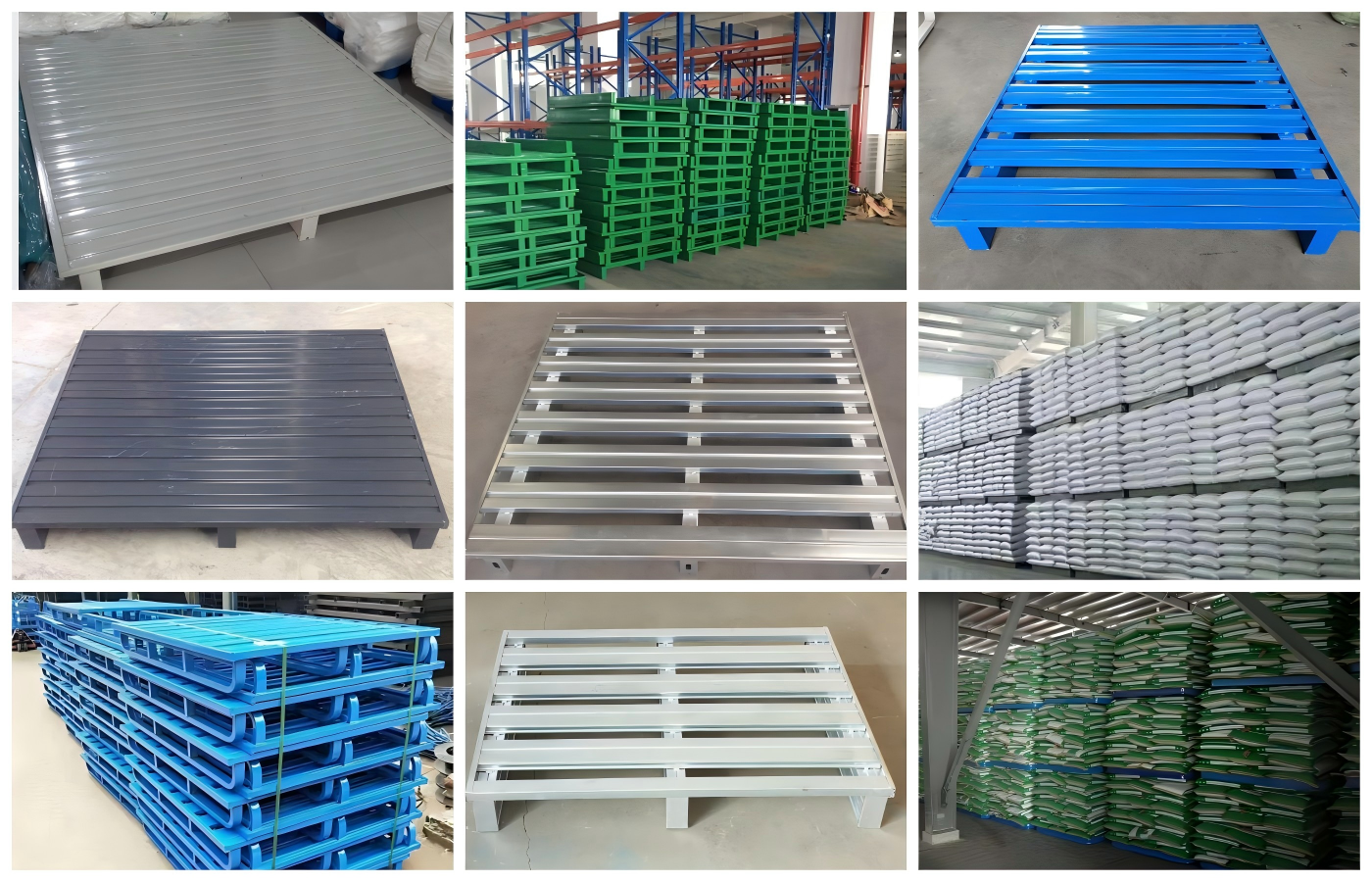
1. Superior Load-Bearing Capacity:
Possesses the highest load-bearing capacity among all types of pallets. The engineered metal framework prevents structural deflection under immense weight, keeping heavy cargo completely secure.
2. 100% Eco-Friendly:
Fully recyclable and reusable, ensuring zero waste of resources while supporting green supply chain initiatives and reducing long-term replacement frequency.
3. Enhanced Structural Integrity:
Features a specialized non-slip surface treatment and reinforced edge banding. The base structure is highly durable, offering a lightweight profile combined with high structural rigidity, thereby ensuring stable packaging performance and safe manual handling.
4. Weather and Corrosion Resistance:
Highly resistant to water, moisture, and rust due to the galvanized steel construction. Compared to wooden pallets, they offer significant environmental and hygienic advantages, as they are completely immune to pest infestation and fungal growth.
5. Superior Performance over Plastic Pallets:
Offers distinct advantages in terms of mechanical strength, abrasion resistance, temperature tolerance, and cost-effectiveness compared to plastic pallets, especially when exposed to harsh industrial environments.
6. Ideal for Exports:
Requires no fumigation, high-temperature sterilization, or anti-corrosion treatments—particularly beneficial for export shipments—thereby complying fully with international environmental regulations and avoiding customs delays.
7. Safety and Durability:
Exhibits a high coefficient of friction when placed on storage racks, preventing slippage under heavy loads and ensuring safe, reliable operation. Its excellent structural rigidity allows for extreme load capacities and ensures exceptional durability and a maximized service life.
8. Operational Flexibility:
Features a bidirectional or four-way entry design that inherently optimizes space utilization and operational efficiency; furthermore, its sturdy base design is fully compatible with manual pallet jacks, motorized forklifts, conveyor roller systems, and Automated Storage and Retrieval Systems (AS/RS).
To meet the diverse demands of modern material handling, the Bidirectional Half-Laid Tray is widely utilized across multiple demanding sectors. It is highly recommended for cold chain logistics, chemical processing, automotive parts manufacturing, pharmaceutical distribution, and heavy machinery warehousing—environments where exceptional load-bearing, temperature resistance, and wear resistance are strictly required.
Understanding that every facility operates with unique spatial constraints and equipment, flexible customization services are available. Whether specific dimensional adjustments are needed to fit a specialized automated assembly line, enhanced load-bearing metrics for ultra-heavy components, or tailored structural modifications for unique racking systems, the tray can be precisely engineered to match exact operational blueprints.
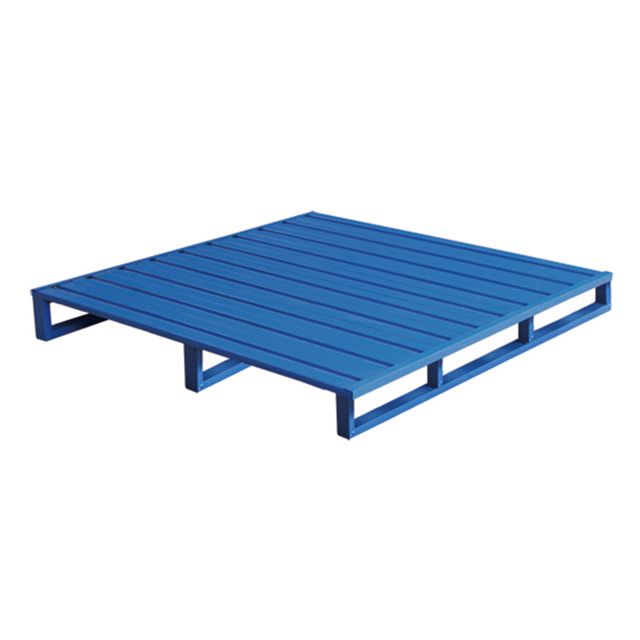
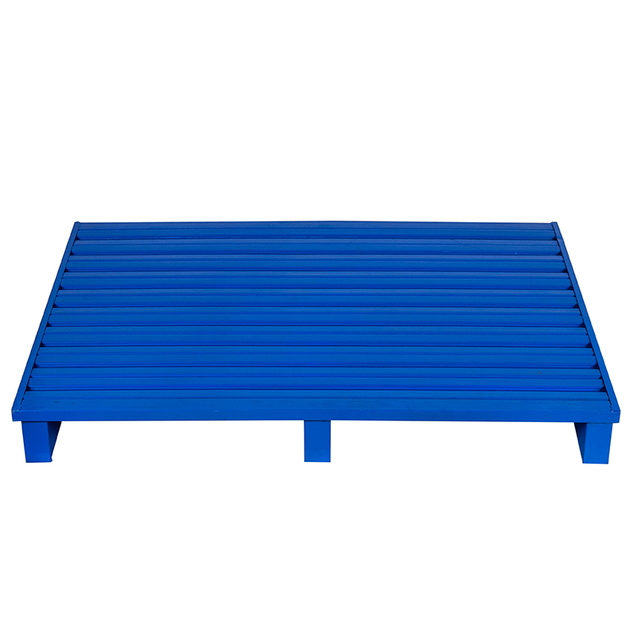
Unlike fully-covered pallets with a continuous solid deck, the half-laid tray uses a partial coverage structure where steel strips or plates are spaced across the frame rather than forming one uninterrupted surface. This design choice delivers specific practical benefits:
Material & Weight Reduction: Less steel consumption per unit compared to fully-covered decks, resulting in a lighter pallet that is easier to handle manually when empty.
Improved Ventilation: Gaps between deck strips allow air circulation, beneficial for goods sensitive to moisture buildup during storage.
Drainage Capability: Liquid or condensation can pass through deck gaps rather than pooling on the surface, useful in humid or wash-down environments.
Cost-Efficient Alternative: For goods that don't require full surface support (e.g., palletized cartons, drums, or crated items), the half-laid structure offers a more economical option without sacrificing core load-bearing performance.
Given its ventilated, partial-coverage deck, this tray configuration is particularly effective for:
Drummed liquids or chemical containers where airflow reduces moisture accumulation beneath the load
Crated machinery parts that provide their own base support and don't require full deck coverage
Palletized cartons secured with stretch wrap or strapping, where load stability comes from the packaging itself
Cold chain goods requiring air circulation to prevent condensation-related surface icing
Compared to a fully-covered deck pallet of equivalent footprint, the half-laid structure typically offers:
Lower per-unit material cost due to reduced steel usage in the deck area
Reduced empty pallet weight, easing manual repositioning and reducing return-shipping freight weight
Comparable structural rigidity for loads that do not require continuous surface support, maintaining strong ROI over repeated use cycles
Units are stacked and secured with steel strapping for transit, minimizing shipping volume
Nestable stacking of empty trays reduces container space consumption for bulk export orders
FOB, CIF, and EXW shipping terms available; standard lead time depends on order volume and customization complexity
Q1: Is the half-laid deck strong enough for heavy machinery parts?
A: Yes, provided the cargo has its own rigid base or crate; for loose or irregularly shaped heavy items requiring full surface support, a fully-covered deck pallet may be more suitable.
Q2: Why choose bidirectional entry instead of four-way entry?
A: Bidirectional entry offers a simpler, more cost-effective structure ideal for facilities with consistent forklift approach directions, while four-way entry suits multi-directional automated or tight-aisle operations.
Q3: Can the half-laid deck be customized with additional strips for extra support?
A: Yes, deck strip spacing and quantity can be adjusted based on your cargo's base contact area and weight distribution needs.
Q4: Does the ventilated deck design affect load stability during transport?
A: No, the surrounding frame and support beams maintain full structural stability; the gaps only affect surface coverage, not overall load-bearing capacity.
Q5: Is this pallet suitable for cold chain logistics?
A: Yes, the ventilated half-laid deck helps reduce condensation buildup, making it a practical choice for refrigerated or cold storage applications.