
 News
News Views: 0 Author: Site Editor Publish Time: 2026-08-17 Origin: Site


Scaling logistics involves far more than leasing a larger building. You must optimize your existing floor plan to handle greater throughput safely. Many operators view their physical infrastructure as fixed overhead. Instead, you should treat Warehousing Equipment as an active driver of fulfillment speed. The right tools enhance labor efficiency and prevent dangerous accidents.
Choosing the best solutions often feels overwhelming for supply chain leaders. Vendors frequently push complex, highly automated systems when simple, targeted upgrades would suffice. We will walk you through a structured approach to evaluating material handling and safety gear. You will learn how to identify specific operational bottlenecks and match them with practical, reliable tools. By the end of this guide, you will know exactly how to boost productivity without overspending on low-ROI hardware.
Aligning equipment choices with specific operational bottlenecks (e.g., pick velocity vs. bulk storage) is critical for measurable ROI.
Integrating purpose-built mobility tools like stock-picking carts directly impacts labor efficiency and reduces order cycle times.
Safety infrastructure is not just a compliance checkbox; visible, physical barriers protect inventory and prevent catastrophic downtime.
Total Cost of Ownership (TCO)—factoring in durability, maintenance, and operator adoption—must supersede initial unit pricing in procurement decisions.
Upgrading your facility requires a clear problem-solving mindset. You must frame every new purchase as a direct solution to a specific operational friction point. Throwing random infrastructure at a warehouse rarely improves efficiency. If you experience high product damage rates, your storage containers might lack rigidity. If transit times drag, your mobility tools likely fail to support your floor staff. Poor space utilization usually stems from rigid, non-stackable storage units.
Before you contact suppliers, require your operations team to conduct a thorough audit. You need to establish current state metrics. Baseline data ensures you measure the actual impact of your upgrades.
Order Cycle Time: Measure exactly how long a picker takes to complete a standard route. Sub-optimal tools often force employees into extra steps or trips.
Space Utilization and SKU Density: Analyze your vertical and horizontal footprint. Determine whether your current containers maximize every inch of available space.
Incident Rates: Track near-misses and collisions. Note how often mobile equipment dangerously intersects with pedestrian zones.
You must also apply a strict scalability assumption. Consider the future of your facility. Ask yourself whether your new manual equipment can integrate with future workflows. For instance, can automated guided vehicles (AGVs) tow your new carts? Purchasing rigidly manual tools might lock you out of semi-automated upgrades later. Smart procurement bridges the gap between current needs and future capabilities.
Efficient warehouses rely on a balance of storage density and mobility. Let us explore the core tools required to master this balance.
Wire Mesh Containers vs. Solid Alternatives
Storage choices dictate both visibility and footprint. Solid bins hide their contents and trap moisture. Wire Mesh Containers solve these issues brilliantly. They offer instant visual inventory management. Workers can identify stock levels without physically opening boxes. Furthermore, they provide essential air circulation. This feature is absolutely crucial for perishable goods and cold-storage environments. When empty, they collapse to save valuable floor space.
During implementation, you must verify weight capacity ratings carefully. Ensure their design matches your current lift trucks. Check the forklift pocket compatibility to prevent handling delays.
Optimizing Mobility with Logistics Carts
Moving bulk goods requires robust transport solutions. Logistics Carts serve as the workhorses of cross-docking and staging. They excel at moving heavy, bulky materials across expansive concrete floors. When selecting these units, scrutinize the casters. Evaluate caster durability against your specific floor types. Polyurethane wheels resist debris, while nylon wheels offer high load limits. Choosing the wrong wheel increases rolling resistance. This rapidly leads to operator fatigue and slower transit times.
Accelerating Fulfillment with Stock-Picking Carts
E-commerce fulfillment demands high-speed, multi-SKU sorting. Standard flatbeds fail here. Purpose-built Stock-Picking Carts directly address batch picking challenges. Look for units featuring modular shelving and integrated steps. Ergonomic handles reduce strain during long shifts. You must measure your aisles before buying. A cart mismatched to your narrow aisles or picking software will actively degrade throughput.
Material Handling Equipment Comparison
Equipment Type | Primary Application | Key Evaluation Feature | Best For |
|---|---|---|---|
Wire Mesh Containers | High-visibility bulk storage | Collapsibility and weight rating | Cold storage, perishable goods |
Logistics Carts | Cross-docking and staging | Caster material and durability | Bulk material transport |
Stock-Picking Carts | Batch picking and sorting | Modular shelves and ergonomics | E-commerce fulfillment |
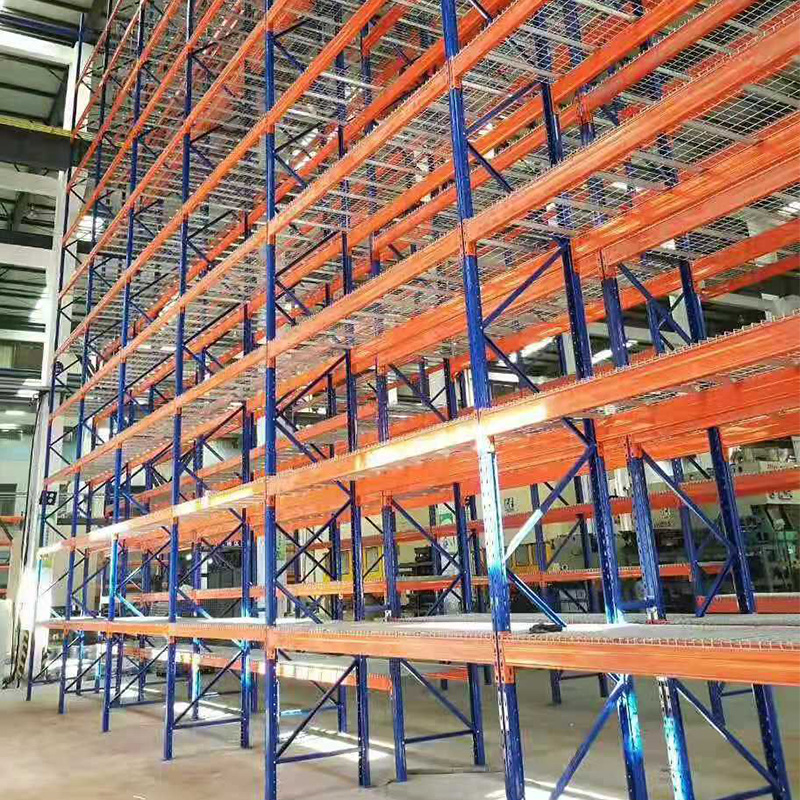
A fast warehouse must also be a secure warehouse. Inadequate protection carries severe financial penalties. Poor facility separation leads to equipment damage and destroyed inventory. It also invites hefty OSHA compliance fines and increases the risk of pilferage. Visible, physical barriers are non-negotiable for modern operations.
Implementing Wire Mesh Panels
Securing vulnerable zones requires adaptable barriers. Wire Mesh Panels serve multiple critical functions. They create highly secure cages for expensive electronics or pharmaceutical inventory. They also act as robust rack backing, preventing pallets from being pushed through into pedestrian aisles. Importantly, they maintain necessary HVAC airflow while restricting unauthorized access.
When evaluating panels, inspect the wire gauge thickness carefully. Thicker gauges withstand accidental forklift bumps. Also, consider modularity. Your facility layout will likely change. Modular panels adapt to new floor plans easily. Finally, verify fire-code compliance to ensure they maintain proper flue spaces for sprinkler systems.
Deploying Perforated Guardrails
Separating heavy machinery from walking employees prevents tragic accidents. Standard solid rails block vision, creating dangerous blind spots at intersections. Perforated Guardrails offer an elegant solution to this problem. They provide a hard physical separation for forklift traffic and protect vulnerable workstations.
Why choose perforated designs? They strike a perfect balance. You gain the high-impact resistance of industrial steel while maintaining crucial lines of sight. Forklift operators can see pedestrians approaching corners. This visibility actively prevents blind-spot collisions and keeps your facility running safely.
Selecting hardware requires looking past slick marketing brochures. Your procurement strategy should prioritize vendor reliability and operational fit. Partnering with the wrong supplier causes severe deployment delays.
Assess vendor capabilities rigorously. Compare their quoted lead times against your strict deployment schedule. A cheaper product loses its appeal if it arrives three months late. You should also verify their ability to provide custom fabrication. Standard dimensions rarely fit older buildings perfectly. You might need carts with non-standard dimensions to navigate legacy narrow aisles smoothly. A trustworthy vendor will modify their designs to fit your exact constraints.
Beware the over-engineering trap. Many vendors aggressively push fully automated solutions. They promise massive productivity gains through robotics and automated storage. However, complex systems require massive capital and cause disruptive installation periods. Optimized manual or semi-manual equipment often yields a much faster payback period. Keep a healthy skepticism toward automation hype. Match the technology level to your actual daily order volume.
Even the best tools fail if deployed poorly. Implementation requires careful physical planning and staff communication. Overlooking operational realities leads to frustrated workers and wasted capital.
Space planning oversights are incredibly common. Managers frequently purchase large equipment without mapping dynamic turning radiuses. A cart looks great on a spec sheet but becomes useless if it gets stuck in a bottleneck near the loading dock. You must measure intersection clearances before approving a purchase.
Operator adoption dictates your final ROI. Address the human element immediately. If a new cart feels too heavy, difficult to maneuver, or unintuitive, your floor staff will simply bypass it. They will revert to older, familiar tools. You must prioritize ergonomics to secure their buy-in.
We strongly recommend a phased rollout strategy. Never swap out your entire fleet overnight. Pilot a small batch of new gear in a single zone first. Let one specific shift test the tools for two weeks. Gather their honest user feedback. Validate your initial assumptions and refine your processes. This strategy prevents facility-wide disruptions and ensures a smooth, accepted transition.
Measure all aisle widths and intersection turning radiuses.
Test equipment ergonomics with actual floor staff.
Pilot small batches before a facility-wide purchase.
Collect feedback and adjust routing protocols accordingly.
Upgrading your logistics processes requires a strategic mix of mobility, storage, and safety tools. Proper physical infrastructure creates a compounding effect on operational efficiency. Better carts speed up picking. Stronger mesh containers maximize vertical storage. Visible guardrails prevent costly accidents.
Take action today. Conduct a comprehensive physical floor walk with your shift supervisors. Identify your most frustrating bottlenecks. Establish clear baseline KPIs for order cycle times and incident rates. Once you map your specific needs, request detailed specification sheets or pilot samples from vetted suppliers. Smart, targeted upgrades will transform your facility into a high-throughput, secure operation.
A: You must review both static and dynamic load ratings. Static ratings apply when containers sit stationary in stacks. Dynamic ratings apply when forklifts move them. Always factor in a 20% safety margin above your heaviest expected load to prevent structural failure.
A: Yes. High-quality perforated designs meet stringent impact resistance requirements for heavy machinery. They enhance compliance by actively solving line-of-sight issues, allowing operators to spot pedestrians and adhere to safe intersection protocols.
A: Standard versions focus on moving bulk, heavy materials across facilities. They feature open beds and heavy-duty casters. Specialized picking units feature modular shelving, integrated steps, and sorting bins designed specifically for fast, multi-SKU e-commerce fulfillment.
A: Absolutely. Most modern panel systems use universal modular bracketing. This design allows you to bolt them securely to standard teardrop or structural racking without dismantling your existing setup. Check bracket compatibility with your uprights before ordering.


